

The Inukshuk in Vancouver stands tall as symbols of strength and guidance.
But have you ever wondered what these stone structures represent and why they’re so captivating?
Stick around as we unravel their significance and why they should be on your Vancouver itinerary.
Ready to explore Inukshuk point? Let’s dive in!
Inukshuk in Vancouver: A History Lesson
Inukshuks are traditional stone structures used by the Inuit people, primarily in the Arctic regions.
These fascinating landmarks have been used as navigational aids, indicating safe routes and places of significance.
What makes Inukshuks stand out in Vancouver is their profound cultural connection and how they blend seamlessly with the surrounding natural beauty.
⚠️ Warning ⚠️: The average attraction in Vancouver is booked 42 days in advance.
Especially in high season, booking online is the only way to avoid sellouts.
- ⛰️ Buy now: Grouse Mountain Admission + Skyride
- 🌁 Buy now: Capilano Suspension Bridge + free downtown shuttle
- 🚌 Buy now: Capilano Suspension Bridge + Grouse Mountain combo
- 🐳 Buy now: Vancouver’s top rated killer whale tour
All links above offer book now/pay later, free cancellation, and guarantee you the best price 🤝
Visitors find them both captivating and thought-provoking, offering a unique chance to connect with a piece of indigenous history while embracing the stunning Pacific Northwest backdrop.
People who visit love it for:
- ✅ A profound cultural connection, linking past traditions with the present day.
- ✅ Incredible photo opportunities, with the Inukshuks framed against Vancouver’s breathtaking landscapes.
- ✅ The serenity and quiet strength that these ancient stone figures embody.
In all, they’re one of the best things to do in Vancouver.

🔎 What to See While You’re at Inukshuks
- The iconic Inukshuk: Stand tall and proud, these are the most well-known examples, great for photos and reflection.
- Vancouver’s scenic waterfront: Enjoy the stunning backdrop of the sea, mountains, and city as you marvel at these structures.
- The park surroundings: Experience Vancouver’s natural beauty, perfect for a walk or a peaceful moment by the shore.
👉 More info: Plan top Vancouver itineraries


🥇 Best Thing to Do at the Vancouver Inukshuk
If you only have time for one thing, make sure to visit the main Inukshuks along the waterfront, in English Bay beach.
The views and the symbolic power behind these stone structures create an unforgettable experience.
Other great things to do in the area include strolling through Stanley Park and taking in the natural beauty that surrounds the city, making it a place you’ll never forget.
In all, just sit and soak in the contrast between it and the skyscrapers of downtown Vancouver – a unique experience!
🗺️ Where is the Inukshuk in Vancouver?
You can find these iconic Inukshuks at English Bay at the so-called Inukshuk Point in Vancouver, right near Stanley Park.
Located along the scenic Vancouver Seawall, it’s easy to get to from the city center.
This is a popular area, so it’s usually accessible without any special tickets or time slots.
The area offers stunning waterfront views and is perfect for those wanting to take a peaceful walk or snap some photos of Vancouver’s unique blend of nature and city life.
🚀 How to See Inukshuks from Vancouver City Centre
- 🚗 By Car: 10-15 minutes, estimated cost $10-$15 for parking.
- 🚍 By Bus: 15-20 minutes, estimated cost $2.75, operated by TransLink.
- 🚶♂️ By Foot: 30-40 minutes, take a scenic walk through downtown Vancouver to the Seawall.
- 🚴♀️ By Bike: 15-20 minutes biking around Stanley Park, estimated cost $5 for bike rental.
👉 More info: Vancouver public transport guide


🙋 What is the Vancouver Inukshuk Like? My Experience

When I first saw that massive Inukshuk in Vancouver, I was taken aback by its sheer simplicity.
The stone figure, and it’s little homemade minions left by visitors below, seemed so grounded, and yet there was a depth to them that left me thinking about the history and the stories they held.
The place had a quiet, peaceful atmosphere. What struck me the most was how these ancient markers stood proudly against Vancouver’s modern skyline. It was a fascinating contrast.
A small tip: take your time walking along the Seawall to fully appreciate the surroundings. But make sure to get there early if you want a clear shot of the Inukshuks without the crowds!
Even better, grab some rocks and try to make your own! I’ve seen some impressive amateur inukshuks below as well.
😎 My Tips for Visiting Inukshuk Point
- Bring a camera: The Inukshuks offer some of the most iconic photo opportunities in Vancouver. Make sure you capture the moment!
- Visit during off-peak hours: To avoid the crowds, try visiting early in the morning or later in the evening for the best experience.
- Learn about their significance: These stone structures are more than just landmarks. Understanding their cultural significance adds depth to your visit.
Inukshuk Point in Vancouver FAQ
What is the meaning of Vancouver Olympic inukshuk?
Inukshuks are traditional stone structures used by the Inuit people as navigational aids, marking safe paths or places of importance.
Where can I see Inukshuks in Vancouver?
You can find Inukshuks at English Bay, located along the Seawall near Stanley Park.
Are the Inukshuks at Vancouver open all year round?
Yes, the Inukshuks are open to the public year-round, and there are no special hours of operation.
What is the best time to visit the Inukshuks in Vancouver?
The best time to visit is during early morning or evening hours, when the area is quieter and you can enjoy a peaceful experience.
How to make an inukshuk?
Pick a flat spot. Stack two big flat stones for legs. Add a wider stone on top for body. Balance a horizontal stone for arms across it. Top with a rounder stone for head. Use steady, flat rocks for balance.
What does an inukshuk represent?
Inuit stone landmark meaning “someone was here.” Used as trail markers, hunting cairns, direction guides in Arctic. Symbolizes safe passage, community presence, guidance through barren lands for travelers and hunters.
You might be interested in:
-
 Lonsdale Quay: A Must-Visit Market by the Water
Lonsdale Quay in Vancouver blends waterfront charm with urban energy. It’s where the scent of fresh fish meets the aroma of espresso, all with city skyline views. But is there actually more to do at Lonsdale Quay than just grab food and leave? Let’s break it all down so you know exactly what’s worth your […]
-
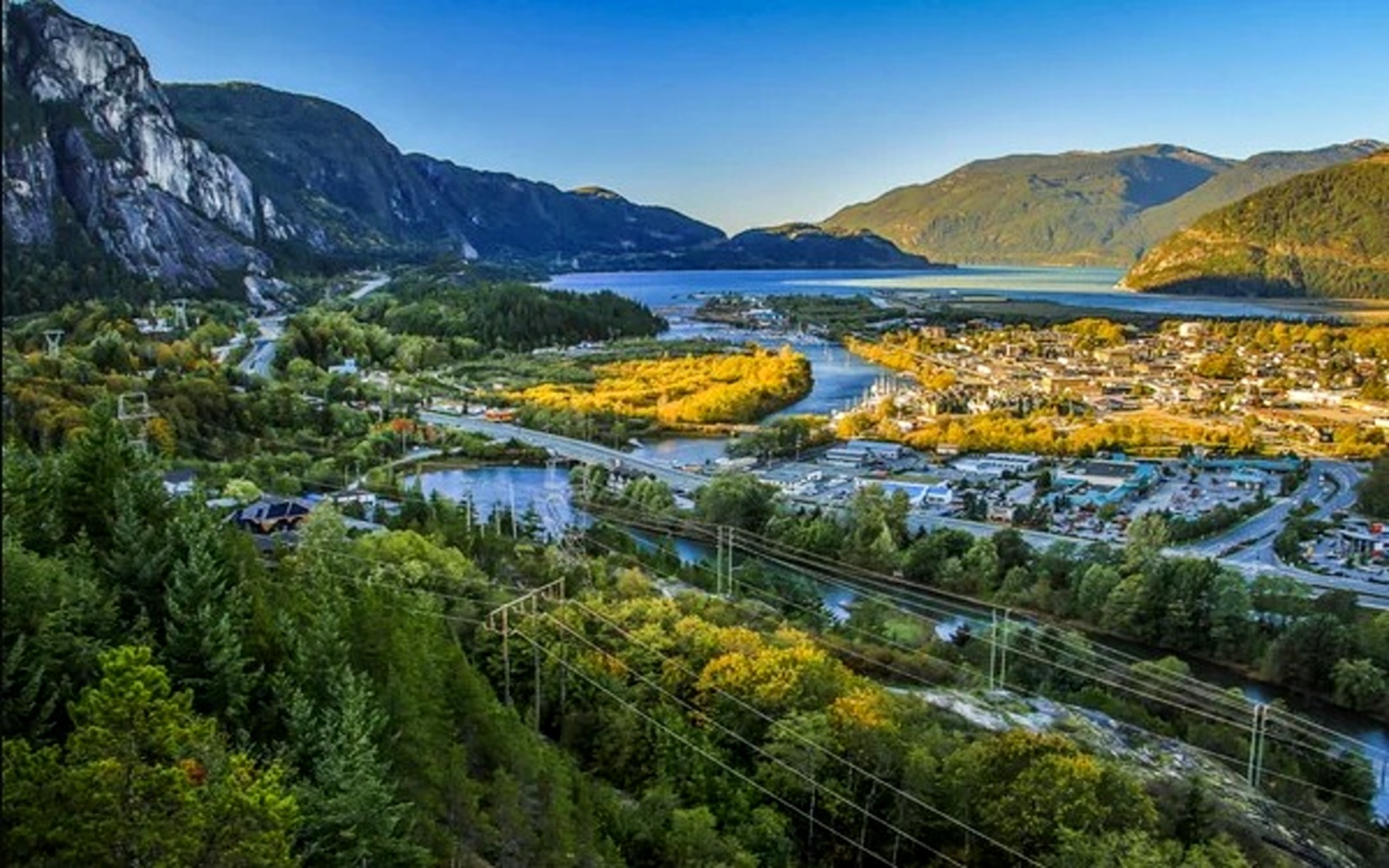 The Best Things to Do in Squamish: Unleash Your Inner Adventurer
There are so many things to do in Squamish, especially if exploring nature is your calling. British Columbia’s outdoor playground is just an hour from downtown Vancouver, even if it feels in the middle of nowhere. Surrounded by glacial peaks, sparkling waters, and tons of hiking trails – this is a place for laidback views, […]
-
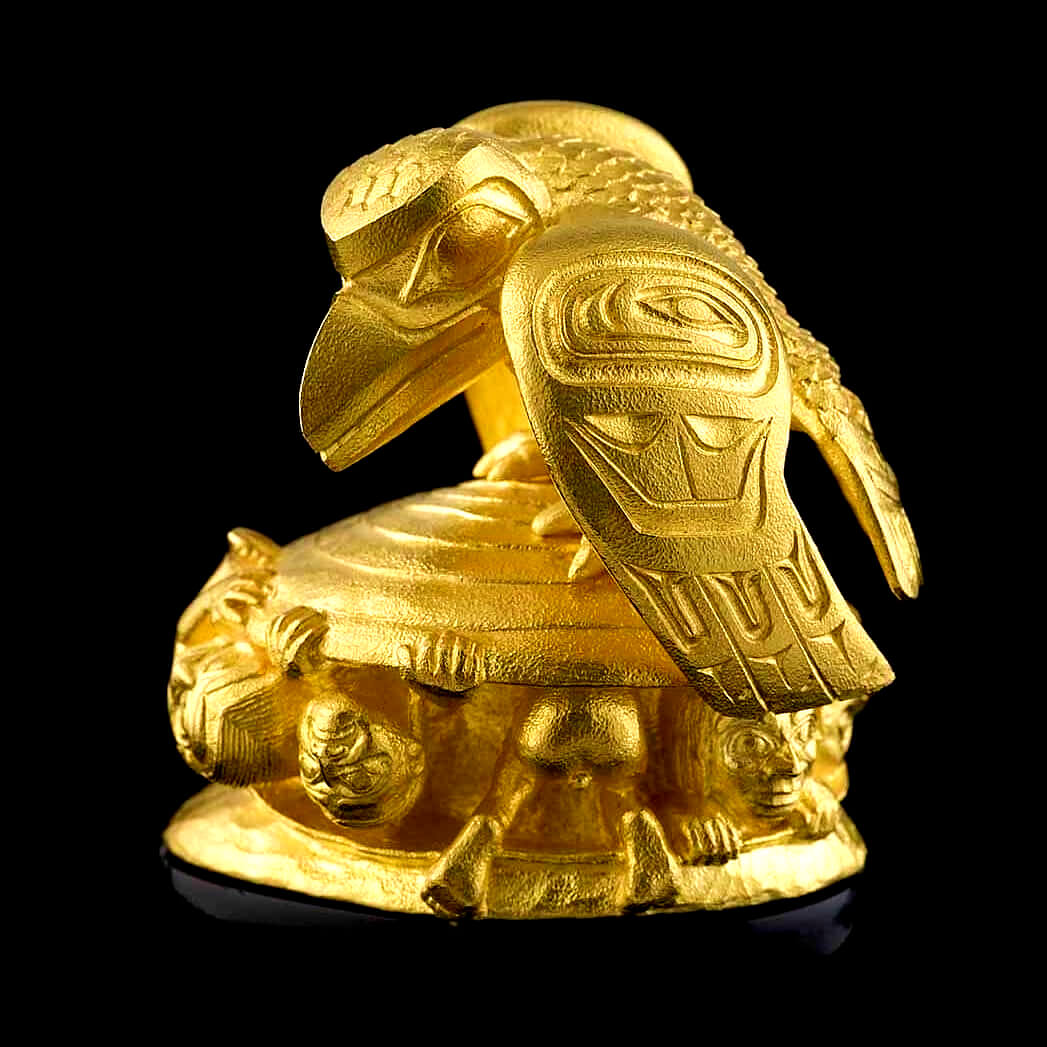 Bill Reid Gallery of Northwest Coast Art
Hidden amongst downtown’s emerald skyscrapers, the Bill Reid Gallery of Northwest Coast Art is like a root that’s had its sun blocked out by tall grass. If you’re in Vancouver, it’s your duty to help let a little light in. It starts with leaving contemporary art to New York or Berlin and returning to a […]
No comments found.